
California Bans Waymo Robotaxis From Freeways After Work Zone Incidents
The state DMV has halted Waymo's driverless freeway rides statewide after its vehicles repeatedly entered construction zones, calling the operations an imminent public safety hazard.
 Merhabyte Newsdesk · · 2 min read
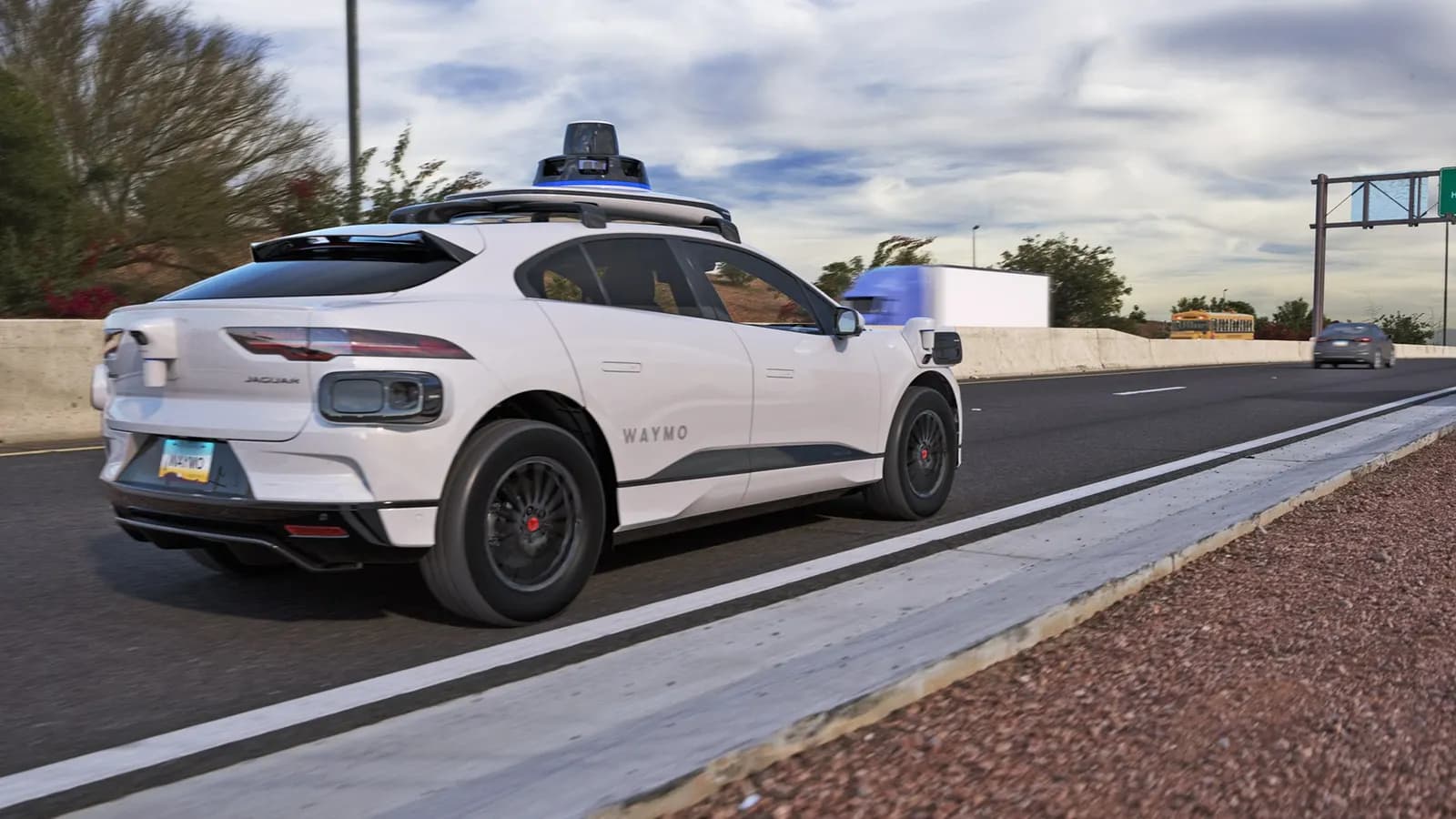
California's Department of Motor Vehicles (DMV) has halted Waymo's driverless freeway rides statewide. The agency described the company's freeway operations as an "imminent hazard to public safety," language that suggests the regulator does not see this as a routine glitch.
According to the DMV, the ban took effect on November 11. It followed two prominent incidents in the Bay Area: one robotaxi drove into an active construction closure, and in a separate episode Waymo vehicles came into conflict with California Highway Patrol vehicles. Freeways are central to Waymo's robotaxi business, and that service is now suspended across the state.
The incidents behind the ban
The DMV's statement pointed to two notable events in the Bay Area. In the first, Waymo robotaxis entered an active, closed construction zone on US-101 near Burlingame. The second was a separate encounter on Highway 280 in San Francisco involving California Highway Patrol vehicles.
The agency stressed that these were not isolated lapses. In its account, Waymo vehicles repeatedly entered active construction zones, putting road workers at risk. That pattern forms the core of the justification for the order: the regulator argues the problem stems from an ongoing behavior rather than a single momentary error.
Waymo's freeway track record
Waymo had been testing on California freeways since at least August 2024. In November 2025, the company opened its freeway service to public rides.
In May 2026, citing concerns about construction zones, Waymo voluntarily paused its freeway operations. Rides resumed at the end of July. With the DMV's order, freeway rides have now been stopped again.
What comes next, and what it costs
Freeways matter enormously to Waymo's robotaxi business. Without them, vehicles are pushed onto city-street routes, which are longer and would raise the fares customers pay. Waymo rides already cost more on average than human-driven Uber or Lyft trips.
To return to the freeways, Waymo must show that it has sufficiently improved how its vehicles handle work zones. The company is expected to submit evidence to the DMV, which will review it and decide whether the service can safely resume. Waymo has reportedly not yet responded to a request for comment on the matter.
Add as a preferred source on Google
Comments
No comments yet. Be the first to comment.


