
Apple to Stand Trial in France Over iPhone Repair Restrictions
A complaint by France's HOP association has reached the courts: Apple is accused of blocking independent repair through parts pairing. The main hearings are set for June 2027.
 Merhabyte Newsdesk · · 2 min read
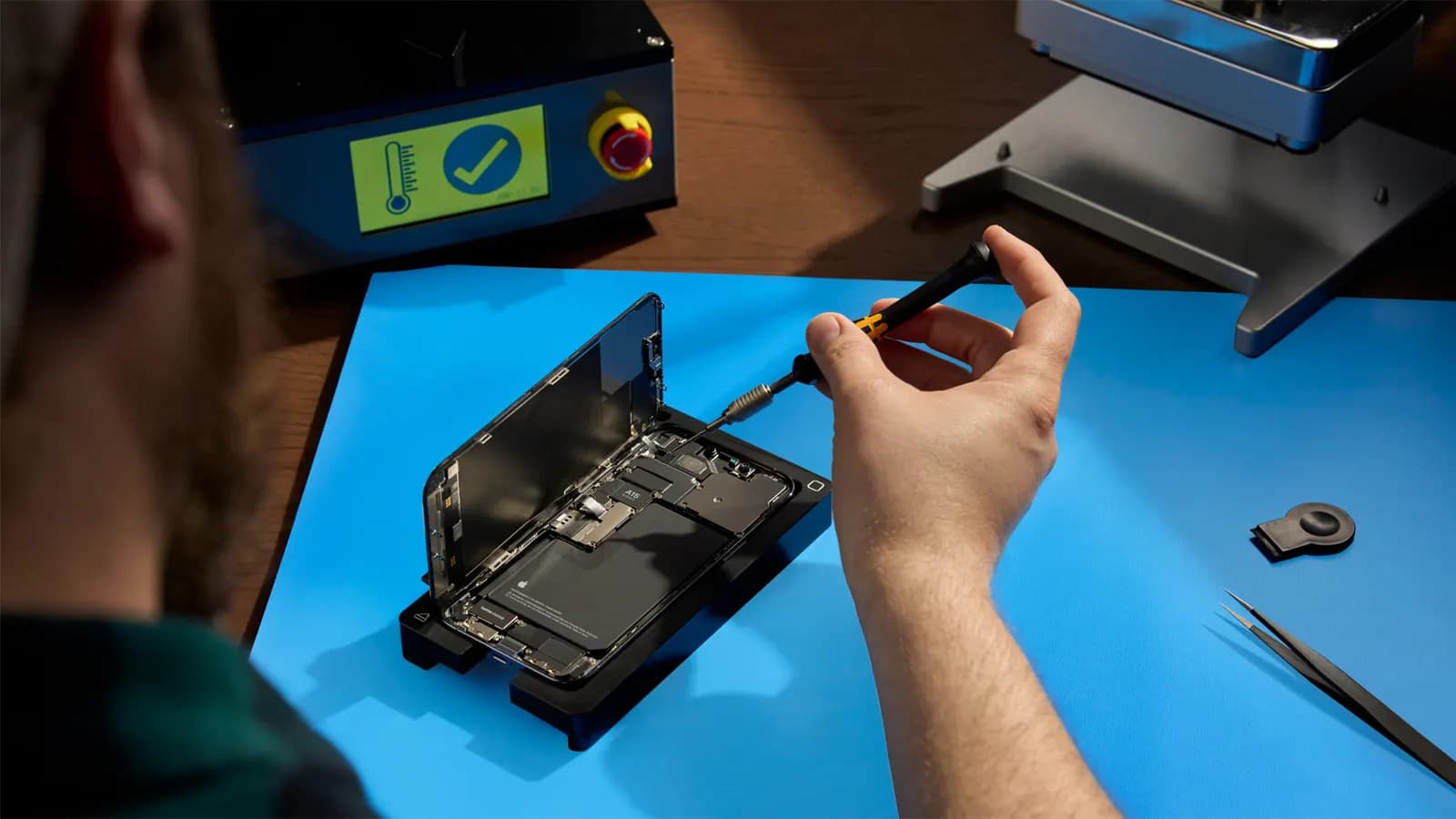
Apple will stand trial in France over allegations that it restricted iPhone repairs carried out at independent workshops. The case is scheduled to be heard in June 2027, according to the Halte à l'Obsolescence Programmée (HOP) association, the French group that brought the complaint and announced the date this week.
The case rests on a complaint HOP filed in December 2022. At its center is parts pairing, the practice of electronically tying a component to one specific iPhone. The complaint is therefore less about a single fault than about a general practice that shapes how devices can be repaired. Apple rejects the allegations and argues that the practice is necessary for privacy, security and safety.
What parts pairing is and what the complaint alleges
Parts pairing means that components such as the screen, battery or camera are electronically bound to the iPhone they are installed in. This is the practice HOP's complaint targets directly.
According to HOP, Apple's restrictions cause replacement screens, batteries and cameras to malfunction when a repair is carried out outside Apple's approved channels. The association says these problems occur even when genuine Apple parts are used. In other words, the issue is presented as stemming not from the quality of the part but from the way it is paired with the device.
HOP's press materials say the complaint covers 24 iPhone models and practices between November 2021 and July 2024. That breadth suggests the case concerns a broad policy affecting many models over a period of time rather than a single device or type of repair.
The charge is obstructing repair, not planned obsolescence
HOP frames the case publicly as one about planned obsolescence. That is not, however, the offense actually going to trial. Under French consumer law, the charge is obstructing repair and refurbishment activities.
The distinction matters for understanding the legal framework. Although the association emphasizes the obsolescence debate, the question before the court will be whether independent repair was restricted.
Apple's defense and the changes it has made
In a statement to Le Monde, Apple called the allegations unfounded. The company pointed to restrictions it has lifted, including allowing True Tone to work with third-party replacement displays.
Apple has also expanded support for used genuine parts since the complaint was filed. That support was initially limited to the iPhone 15 and later models. The company maintains that parts pairing protects privacy, security and safety.
HOP acknowledges these changes but says their effect needs to be assessed over time to determine whether they are sufficient. The association thus signals that it does not regard the steps taken as wholly inadequate, but is not ready to draw a firm conclusion either.
Timeline of the proceedings
The first stop in the proceedings will be a scheduling hearing on February 25, 2027. The main arguments are expected to run for several days in June 2027.
The two sides are clearly at odds: the association argues that the restrictions make repair harder, while Apple defends its practices on security and privacy grounds. How the court weighs those positions will become clear as the hearings proceed.
Add as a preferred source on Google
Comments
No comments yet. Be the first to comment.


