
Apple Reportedly Weighs Scrapping Its OLED iMac Plans
A supply chain report says Apple is discussing delaying or cancelling its OLED iMac with Samsung Display. Cost and weak demand for existing OLED products are said to be behind the rethink.
 Merhabyte Newsdesk · · 2 min read
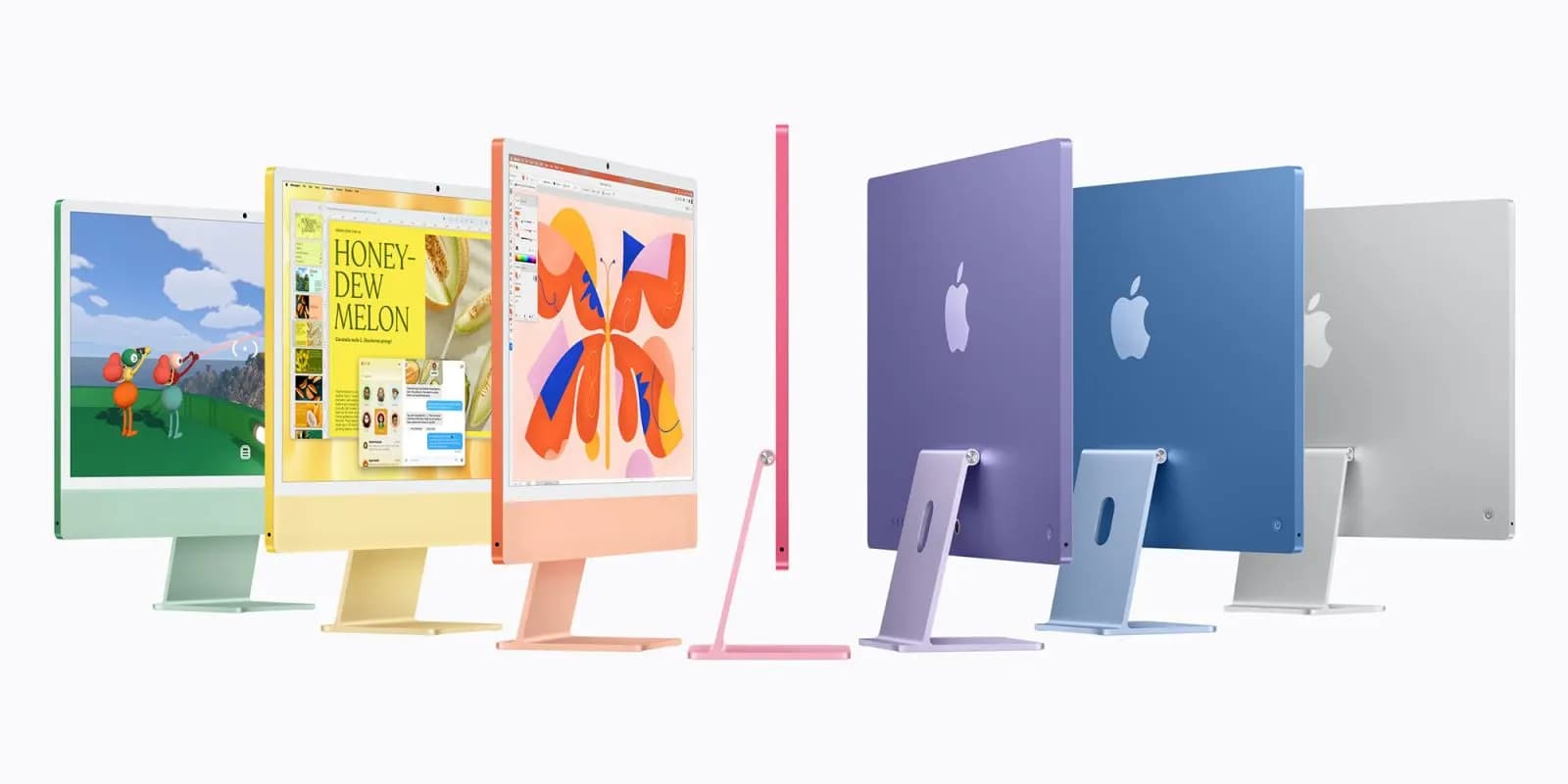
Apple is reportedly considering abandoning its plan for an OLED iMac. According to a new supply chain report, the company is in talks with its display partner Samsung Display about postponing the project or cancelling it altogether. The news comes just weeks after the launch of the new touchscreen MacBook Pro, the first Mac to use an OLED display.
The Mac lineup was widely expected to move to OLED over time. The latest claims suggest that shift could be slower than anticipated on the iMac side, or might never happen at all. For now, all of this remains reports and allegations; Apple has not commented on the matter.
How Apple's OLED journey got here
Apple's introduction to OLED began with the Apple Watch, at a time when most of its other products still used IPS LCD panels. The company later brought OLED to some iPhone and iPad models. The long-awaited first OLED MacBook Pro arrived in October.
The expectation was that Apple would roll the technology out across the Mac range on a multi-year timeline, with the iMac not expected to adopt OLED before 2029 or 2030. The new report suggests even that date could slip.
Cost and demand: the two main reasons
According to the report, the biggest factor behind the reassessment is cost. The iMac sells in lower volumes than smartphones and laptops, which makes it harder to hit a competitive price if expensive OLED panels are used.
The second factor is the weak sales of existing OLED products. In particular, soft sales of the OLED iPad Pro are believed to have influenced the decision. The report also claims Apple has sent requests for quotation to LCD suppliers for an iMac display due around 2029, which suggests the company is keeping non-OLED options on the table.
Ternus's review and one commentator's view
The report claims that incoming CEO John Ternus is examining whether upgrading more products to OLED makes commercial sense.
A technology writer commenting on the story boils the problem down to two points. First, the 24-inch screen size is not seen as appealing at the desired price. Second, the iMac has no target display mode, meaning the screen cannot be used with multiple computers or after moving on to a newer Mac. In the writer's view, OLED fixes neither issue, and neither does raising the price.
The same commentary frames the matter as one of profit margin rather than commercial viability: an OLED iMac might be viable at current prices but could miss the 30 to 40 percent margin band Apple targets on hardware. OLED would raise costs, and given those two issues it is not expected to lift sales enough to make up the difference. This section reflects the commentator's assessment, not the report's, and it has not been confirmed that this logic is driving Apple's decision.
Add as a preferred source on Google
Comments
No comments yet. Be the first to comment.


