Google and Xreal cut Aura glasses to $1,099 ahead of launch
The Android XR-based Aura glasses will sell for $1,099 through the end of the year, $180 less than the $1,279 Xreal asked during pre-orders last month.
 Merhabyte Newsdesk · · 2 min read
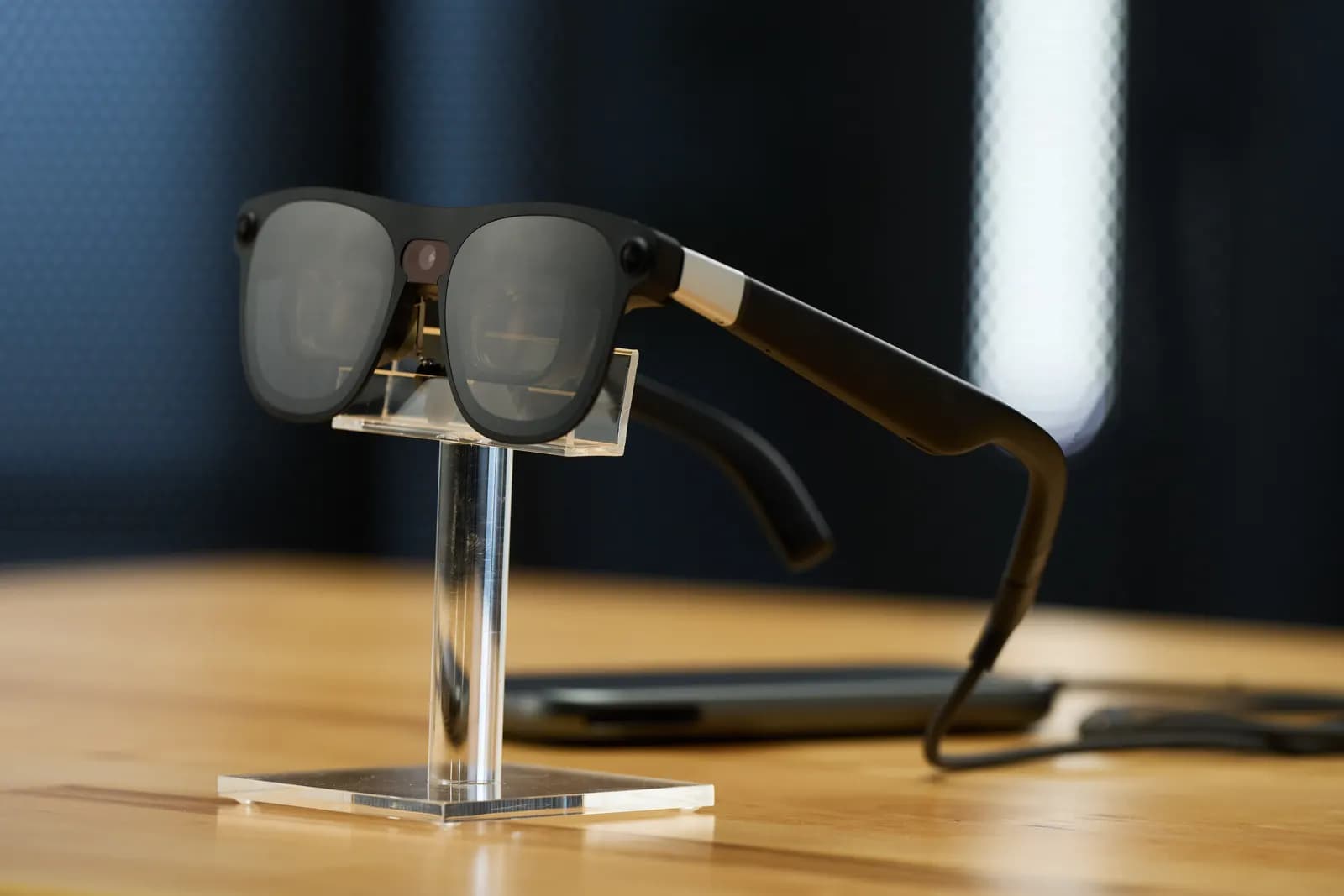
Google and Xreal have opened sales of Aura, the smart glasses the two companies are releasing together. The price, valid through the end of the year, is set at $1,099. Last month Xreal was asking $1,279 in pre-orders, so the product has gotten $180 cheaper before it has even shipped.
The companies have not explained the cut, but the $1,279 price put Aura in direct competition with Meta's VR headset, a tough comparison for a new product from Google and Xreal. The new price is expected to take some of the sting out of that comparison.
Prices, models and regions
Aura comes in two memory configurations. The model with 12 GB of RAM and 256 GB of storage starts at $1,099, while the higher-end version with 16 GB of RAM and 512 GB of storage can be ordered at a reduced $1,299. These prices apply in the US, Canada and South Korea. In Japan the product goes on sale on November 2, and other countries will have to wait until next year. Shipments are expected to begin in mid-November.
Customers who pre-ordered at the higher price are covered too. According to Ralph Jodice, Xreal's general manager and spokesperson, the company will refund the difference to them automatically and immediately. Buying has also become simpler. Previously buyers had to navigate steps such as reservations, pre-orders and a founders edition, but people in the launch countries can now order directly.
Hardware and use cases
Aura is designed as a lightweight pair of glasses, weighing around 95 grams. It works with a separate, cable-connected processing unit running Android XR and offers multiple virtual screens. Its 70-degree diagonal field of view is large by the standards of see-through glasses. That said, the figure is not huge, and see-through designs bring other trade-offs as well.
A USB-C port on the processing unit lets users plug in a computer or a portable gaming console directly, and the connected device's display can be projected into the glasses alongside virtual windows. Users can also ask Google's Gemini AI questions about what they are looking at.
Content and accessories
Xreal and Google said the glasses will launch with more than 150 XR-specific experiences, including new immersive films such as Andy Serkis's Nevatars and Galapagos: the Last Eden. A Google Photos XR update has also been prepared. According to Google, a new spatial gallery arriving later this year will spread a user's photo archive around them. Users will be able to pull in from a year down to a single day with their hands and open the selected memory in 3D.
Xreal is also partnering with GameSir on a wireless controller with a dedicated Gemini button, which will come with a charging dock and swappable directional pads. A foldable, portable wireless keyboard was announced as well. Pricing, release dates and other details for these two accessories have not yet been disclosed.
Comments
No comments yet. Be the first to comment.